
Predelava kontinentalnega sadja
V panogi predelovanja sadja – tako tistega s koščicami kot tudi tistega brez njih – v sokove (bistre ali motne) ali pireje – sokove enotne koncentracije ali koncentrirane – je za zagotovitev najboljše cene na trgu potrebna proizvodna oprema, ki zagotavlja enakomerno visoko kakovost. Tu smo, da vam pomagamo to uresničiti in zagotoviti najboljši možen izkoristek soka iz katerega koli pridelka. Tehnologija družbe Alfa Laval za predelavo sokov vam bo pomagala pri zagotavljanju najboljše donosnosti n
Edinstveni parametri za zrele trge
Predelava kontinentalnega sadja v sokove/pireje je zrela industrija, v kateri je produkt – tako bistri kot motni sok – globalno blago velikih količin z nizko stopnjo dobička.
Konsistentnost šteje
Da lahko na teh trgih in ob globalni konkurenci zahtevate najboljše cene, morate biti sposobni kontinentalno sadje predelati v končne izdelke s konsistentno visoko kakovostjo, visokim donosom, strogim zagotavljanjem higiene ter nižjimi stroški predelave.
S sistemi, znanjem ter izkušnjami družbe Alfa Laval boste lahko dosegli konsistentne visokokakovostne rezultate predelave, in to kljub naravnim nihanjem kakovosti surovin.
Celoviti odgovori
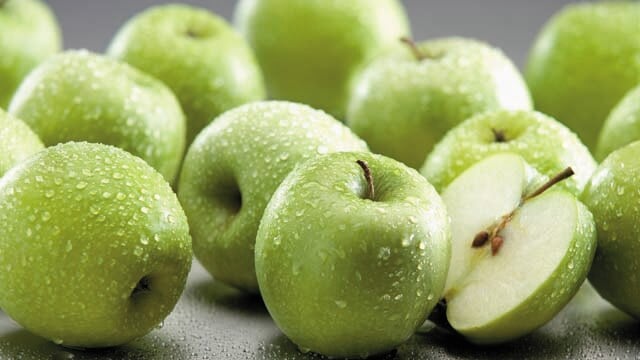
Alfa Laval ponuja celovite, integrirane sisteme za predelavo jabolk in hrušk v sok. Neprimerljiv izbor tehnologij Alfa Laval vključuje dekanter centrifuge, toplotne izmenjevalnike ter opremo za membransko filtriranje, pa tudi specialistične sisteme ter procesne module za ekstrakcijo, čiščenje, pasterizacijo, stabilizacijo in zajem arome.
Ultrafiltracijski membranski sistemi vam omogočajo, da tradicionalno opremo zamenjate za koncentriranje ter dosežete bistveno boljše rezultate z manjšo porabo energije.
Sistemi za čiščenje dna tankov preprečujejo prenašanje kakršnih koli bakterijskih onesnaženj, poleg tega pa povečajo zmogljivost.
Korak dlje
Ti sistemi omogočajo stroškovno učinkovito usmerjenje na visoko raven higiene, zanesljivo predelavo in izredno majhno porabo energije. Popolnoma zaprte predelovalne naprave Alfa Laval omogočajo preprečevanje oksidacije in ohranjanje vrhunske ravni higiene.
Vidne prednosti so več pridelanega soka ter bolj suhi odpadki, s čimer se zagotovi manjši vpliv na okolje ter priložnost za dodaten prihodek od soka iz druge stopnje.
Optimizing apple and pear processing within continental fruit operations
 Apple and pear processing reflects the broader realities of mature continental fruit markets, where commodity pricing requires tight process control and high hygiene management. Despite climatic, seasonal, and transport-related variations, modern setups help producers achieve consistent clarity, texture, and flavour, ensuring stable continental juice production.
Integrated systems, such as decanters, heat exchangers, membrane technologies, and extraction modules, support dependable yields and controlled quality. Enclosed lines reduce oxidation risk and support stringent hygiene goals, while efficient energy use and drier by-products improve environmental and operational performance.
High-value berry processing for versatile production lines
Many types of berries, fresh or frozen, are processed into juices and concentrates, and their handling is similar to that of apples. This creates opportunities for flexible systems capable of managing both berry crops and other continental fruit using shared equipment. Producers use advanced fruit processing machinery to secure value from diverse berry varieties while maintaining colour, taste, and nutritional integrity.
Protecting colour, flavour, and nutrients through gentle processing
Berry processing must be continuous, fast, and gentle, minimizing thermal stress to protect pigments, antioxidants, and flavour compounds. Because many berry-based continental juice products sell at commodity prices, maintaining high yields and low energy consumption is essential. Systems with precise temperature control and efficient heat exchange help producers manage costs and maintain competitive performance.
Ensuring hygienic, compliant berry processing operations
Berry processing for cost-sensitive markets demands rigorous hygiene control across the entire line. Systems must comply with demanding global standards, including EU and U.S. FDA requirements. Effective cleaning, contamination control, and equipment design help operators produce safe, high-quality outputs with minimized downtime.
Expanding opportunities in pomegranate processing
Pomegranate is gaining commercial traction due to its health-associated properties and antioxidant richness. Demand for pomegranate juice continues to exceed supply, driving interest in processing technologies that support high-value extraction and integration into multi-fruit blends.
Maintaining colour integrity for strong consumer appeal
To align processed juice with consumer perceptions of fresh pomegranate, maintaining vibrant red colour is critical. Effective heat management and oxidation-control systems prevent browning, allowing processors to deliver attractive, high-quality juice that reflects the fruit’s natural appearance.
Gentle handling to preserve high-value characteristics
Pomegranate processing benefits from speed, consistency, and gentle treatment to preserve key sensory and nutritional attributes. With well-designed extraction and stabilization systems, producers can maximize the commercial value of their raw materials while ensuring stable, high-quality outcomes.
Stone fruit processing with focus on colour and quality retention
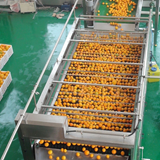 Peach and apricot purés are widely used as ingredients in beverages and foods. Their commercial value depends heavily on controlling colour stability, particularly managing reddish pigments and maintaining the light colour characteristic of some peach varieties. Equipment like Foodec-type decanters helps reduce oxidation, safeguarding both colour and flavour during critical stages of the process.
Improving efficiency with advanced heat-exchange technologies
Systems such as tubular heat exchangers and scraped-surface heat exchangers boost efficiency by replacing traditional configurations, lowering operating costs while improving thermal control. These systems help producers achieve stable performance and reduce energy expenditure, supporting flexible and reliable stone-fruit operations.